Arper: timeless Italian design for exceptional spaces
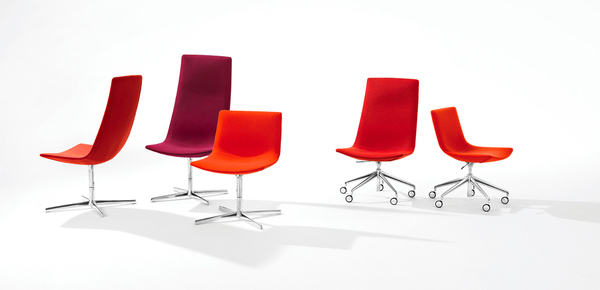
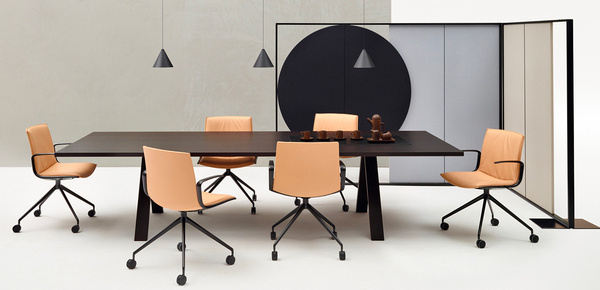
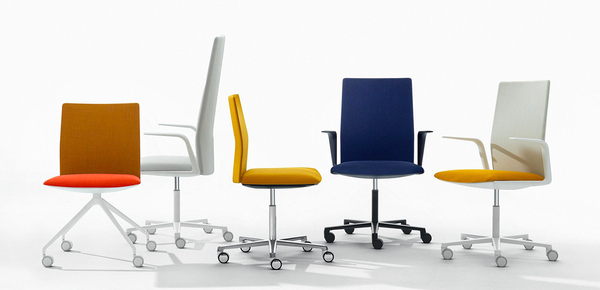
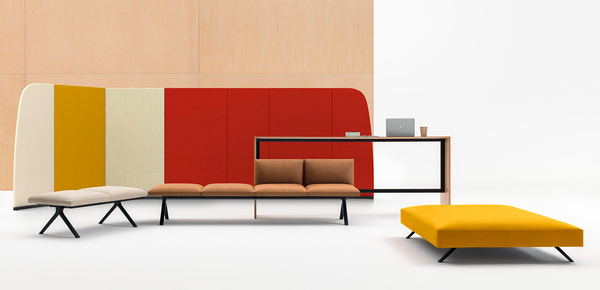
Arper is a globally renowned Italian design brand celebrated for its elegant, functional, and innovative approach to design furniture and seating. The furniture industry has been talking about circularity for years, yet few brands have delivered anything genuinely transformative. Arper's Catifa Carta shatters this pattern by introducing PaperShell—a material composed of 29 layers of paper bonded with natural resin that doesn't just reduce carbon emissions, it actively sequesters CO₂. When you specify Catifa Carta for a project, you're not selecting a "less bad" option; you're choosing furniture with a carbon-negative footprint. At end-of-life, the chair undergoes pyrolysis (oxygen-free burning) to create biochar, which locks carbon into the soil whilst enriching it. This represents the first time a major contract furniture manufacturer has successfully industrialised such technology. For architects pursuing LEED Platinum, BREEAM Outstanding, or WELL certifications, Catifa Carta offers documented environmental credentials that can contribute meaningful points—whilst delivering the same sculptural elegance Arper has perfected since introducing the original Catifa 53 in 2001. The waiting list speaks volumes: projects are being specified 18 months in advance because designers recognise this isn't merely sustainable furniture, it's furniture that actively repairs environmental damage. Durability claims are cheap. Arper's 35-year track record in contract is not. Walk into the European Central Bank, Red Bull's London headquarters, or Unilever's Hamburg offices—spaces where Arper seating has endured hundreds of thousands of use cycles without structural failure or aesthetic degradation. The secret lies in Arper's design philosophy: every joint, every material choice, every curve is engineered for longevity from inception. Take the Catifa series, which has sold over 2 million units globally and continues production because the design was never trend-driven. The brand's Italian manufacturing heritage means furniture is built by craftspeople who understand that contract pieces face brutal daily use. Modular construction allows individual components to be replaced rather than entire units being scrapped—a critical factor for facilities managers operating on fixed budgets. Consider the Kinesit meeting chair: its synchronous mechanism has been tested beyond 150,000 cycles, yet it maintains its ergonomic integrity. For healthcare settings, hospitality groups, or educational institutions where furniture replacement disrupts operations and drains budgets, Arper represents the rare intersection of investment-grade durability and museum-quality design. You'll replace the building's carpet three times before you need to think about replacing Arper seating. Most reception areas are afterthoughts—uncomfortable perches where visitors count ceiling tiles. Progressive organisations recognise that first impressions literally shape business outcomes, and they're weaponising waiting spaces accordingly. Arper's Colina, Pausit, and Saari collections were engineered specifically for this transformation. These aren't just "waiting room chairs"; they're strategic tools that communicate brand values before a single word is spoken. A legal practice furnished with Arper's Aston Club immediately signals premium positioning. A medical centre using Colina's soft, sculptural forms demonstrates patient-centred care philosophy. Hospitality groups report that guests actually arrive early for appointments when waiting areas feature Arper's modular systems—because these spaces become worth experiencing. The Steeve modular sofa, designed by Jean-Marie Massaud, creates "micro-territories" where clients feel comfortable conducting informal business discussions, eliminating the need for formal meeting rooms for quick conversations. Interior designers understand this calculation: investing £15,000 in an Arper-furnished reception area can eliminate the need for a £150,000 meeting room expansion. The furniture pays for itself by converting transactional visitor experiences into relationship-building opportunities. Meanwhile, the Catifa 80's low-profile design maintains visual transparency across spaces, allowing receptionists to maintain security sight lines whilst visitors enjoy premium comfort—a safety consideration that traditional bulky seating compromises. The hybrid working revolution has exposed a dirty secret: most "beautiful" office furniture was designed for static, assigned-desk environments and falls apart under flexible-use pressure. Arper anticipated this shift years before COVID-19 forced the issue. Their collections embody what designers call "high-low versatility"—pieces that photograph beautifully for corporate marketing whilst withstanding the daily punishment of hot-desking, activity-based working, and constant reconfiguration. The Cross table system exemplifies this thinking: its architectural bridge-inspired structure maintains visual lightness whilst supporting collaborative technology loads. The Catifa 46's compact proportions and diverse base options mean facilities teams can reconfigure spaces weekly without requiring new furniture orders. Law firms using Arper report that their investment-grade pieces transition seamlessly from formal client-facing areas to casual team zones—the same chair that impresses barristers in morning meetings supports developers in afternoon sprint sessions. This adaptability delivers measurable ROI: when a single furniture collection can serve multiple space types, organisations dramatically reduce their total furniture inventory costs. The Meety conference table has become legendary in co-working spaces precisely because it doesn't scream "boardroom"—it's equally comfortable hosting pitch presentations, design sprints, or casual lunches. Arper understood before most that "contract furniture" no longer means "corporate anonymous"; it means design sophisticated enough to flex across every possible workplace scenario without looking out of place in any of them. Lead time complaints are legitimate until you calculate the true cost of furniture failures. A £2,000 chair delivered in 3 weeks that breaks in 18 months costs substantially more than a £3,500 Arper piece delivered in 12 weeks that performs flawlessly for 15 years. Savvy project managers recognise this mathematics. Arper's Italian production isn't a bug; it's their competitive moat. The Treviso manufacturing facility allows extraordinary customisation—upholstery variations, base configurations, and material selections that mass-production factories cannot accommodate. For signature projects where furniture becomes architectural, this flexibility is non-negotiable. Additionally, Arper's "Domestic Program" offers select collections with 6-week lead times for projects that can work within those specifications. The brand's global showroom network (London, New York, Tokyo, Dubai) means specification teams can physically experience full-scale mock-ups before committing to large orders—dramatically reducing the costly change orders that plague projects using catalogue-only suppliers. Forward-thinking procurement teams now integrate Arper's timelines into project planning from day one, viewing the furniture not as an afterthought to be rushed in during construction's final weeks, but as a critical building system deserving the same lead-time planning as bespoke glazing or custom millwork. The result? Zero furniture-related project delays because expectations are managed professionally from the outset. Meanwhile, competitors promising "immediate availability" consistently fail to deliver on-spec, creating the very delays their speed was meant to prevent. Value engineering is where design intent goes to die—unless the original specification is genuinely irreplaceable. Arper has structured their collections to resist substitution through a combination of patented design features, proprietary materials, and aesthetic distinctiveness that makes "equivalent" alternatives immediately obvious. The Catifa shell's bi-curved geometry cannot be replicated without violating design patents. PaperShell exists nowhere else in the furniture industry. The Aava chair's revolutionary back-shell connection, designed by Antti Kotilainen, delivers flexibility that competing products claiming "similarity" demonstrably lack when tested side-by-side. Experienced architects include specification language that references these unique characteristics by name, making substitution technically non-compliant with contract documents. Furthermore, Arper's collaboration with internationally recognised designers—Lievore Altherr Molina, Jean-Marie Massaud, Jeannette Altherr—creates furniture with documented design provenance. Clients researching specified products discover the thoughtful design philosophy behind each piece, making cheaper substitutes feel like compromises rather than equivalents. Interior designers report that clients who initially question Arper's pricing become the specification's strongest defenders once they understand what they'd lose through substitution. The ultimate insurance against value engineering? Arper furniture photographs exceptionally well, meaning marketing teams require the specified pieces to match the renderings that sold the project to stakeholders. When furniture becomes integral to project branding, substitution becomes politically impossible regardless of cost pressures. Every furniture brand claims sustainability until you examine their actual manufacturing practices. Arper established a dedicated sustainability department in 2005—nearly two decades before "ESG" became a corporate buzzword. They've implemented Life Cycle Assessment across collections since 2007, publishing transparent data that most competitors still refuse to share. The brand holds FSC certification for wood sourcing, ensuring traceable supply chains from responsibly managed forests. Their 2024 sustainability report documents progress with the rigour typically reserved for pharmaceutical companies or aerospace manufacturers—because they recognise that architects specifying furniture for BREEAM, LEED, or WELL projects require defensible documentation, not marketing platitudes. Arper's commitment to disassembly-focused design means products can be refurbished, reupholstered, and returned to service rather than landfilled. They're developing formal take-back programmes to close the loop on product lifecycles. The Adell collection uses post-industrial recycled plastic. The Duna 02 Eco incorporates 80% recycled materials. This isn't a single "eco line" created for positive press; it's systematic integration of circular principles across the entire catalogue. For corporate clients pursuing net-zero commitments, Arper provides the material-specific EPD (Environmental Product Declaration) data that sustainability auditors demand. Universities researching sustainable procurement cite Arper as industry-leading because the company treats environmental responsibility as operational mandate rather than marketing opportunity. When your furniture supplier approaches sustainability with the same seriousness as structural engineering, you've found a genuine partner rather than a greenwashing vendor. Large-scale projects spanning 18-36 months create specification nightmares: pricing fluctuates, lead times shift, and design iterations multiply costs. Arper's contract division has refined a methodology that eliminates these predictable failures. Begin by engaging Arper's specification team during schematic design—not construction documentation. Early involvement allows them to suggest modular systems that accommodate future programme changes without requiring entirely new furniture orders. For example, specifying the Catifa family with diverse base options creates flexibility to pivot between fixed seating and mobile configurations as workplace strategies evolve. Request budget pricing with contractual hold periods that extend beyond your construction timeline. Arper typically offers 12-month price protection on confirmed orders, eliminating the surprise cost escalations that destroy contingency funds. Identify "anchor pieces" early—signature elements like the Steeve modular sofa or Cross conference tables that define spatial character—and lock these specifications immediately. Secondary elements like task seating can flex if budget pressures emerge, but losing your design statement pieces compromises the entire concept. Develop a phased procurement strategy: order long-lead custom items (specific upholstery, non-standard finishes) 16 weeks before installation, whilst standard-catalogue pieces can follow 8-10 weeks out. This staggers your cash flow whilst ensuring critical-path items arrive on schedule. Leverage Arper's showrooms for client presentations. Nothing sells premium furniture specifications like full-scale physical experience. Clients who've sat in a Kinesit task chair or tested a Meety table's worksurface height rarely question the investment. Finally, build specification language that references Arper's proprietary technologies—PaperShell, specific patent numbers, designer names—creating natural substitution resistance. Projects that follow this methodology report 95%+ specification retention through value engineering, versus industry-typical 60% retention for generic "designer furniture" categories. Procurement teams live and die by initial purchase price, creating an institutionalised bias towards cheaper furniture that costs dramatically more over 10-year ownership periods. Flipping this conversation requires presenting finance directors with data they cannot ignore. Start by establishing the comparison framework: a true budget office chair costs £300-400 and requires replacement every 3 years under normal contract use. An Arper Kinesit at £850 performs for 12-15 years minimum. Over a decade, budget seating costs £1,000-1,200 per position (three replacement cycles plus disposal/installation labour), whilst Arper costs £850 total. The Arper solution delivers 15-29% lower total expenditure whilst eliminating the operational disruption of furniture replacement cycles. This is before calculating productivity impacts. Research from the Cornell Human Factors and Ergonomics Research Group demonstrates that improved seating ergonomics delivers 17.7% productivity gains. Apply this to a £45,000 annual employee salary: proper ergonomic support generates £7,965 in annual productivity value. Even a 3% productivity improvement (conservative estimate) yields £1,350 annually per employee. The Arper chair pays for itself in under 8 months purely through productivity gains, then continues delivering value for another 14 years. For client-facing environments, calculate reputational value. Would a law firm risk a £500,000 client relationship because reception furniture communicated "budget constraints" rather than "premium service"? A £15,000 investment in Arper reception seating protects millions in client relationships—a 100:1 or better ROI. Document maintenance costs: Arper's component-based construction means a worn upholstery panel costs £180 to replace versus £850 for an entire new chair. Over 15 years, maintenance-friendly design saves thousands per seat. Present these calculations in simple annualised cost format: "Option A costs £127 per year per seat with 3 disruption events; Arper costs £57 per year with zero disruption." Finance directors understand annual costs. This reframing transforms furniture from "expensive capital expenditure" into "cost-saving operational decision." Include environmental costs in forward-thinking organisations: Scope 3 emissions from furniture replacement cycles carry increasing financial materiality as carbon pricing expands. Arper's longevity and end-of-life programmes reduce carbon liability—a factor that sophisticated CFOs now integrate into procurement decisions.
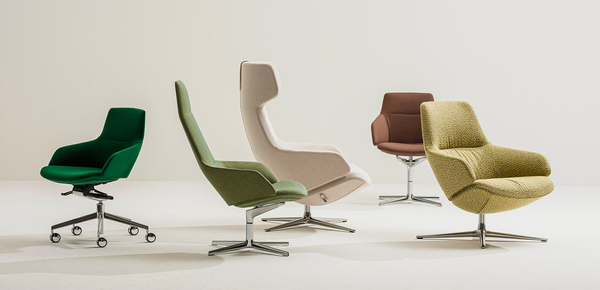
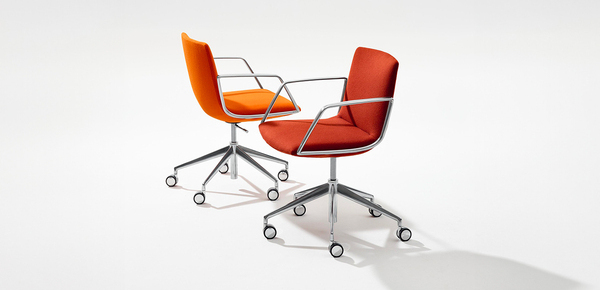
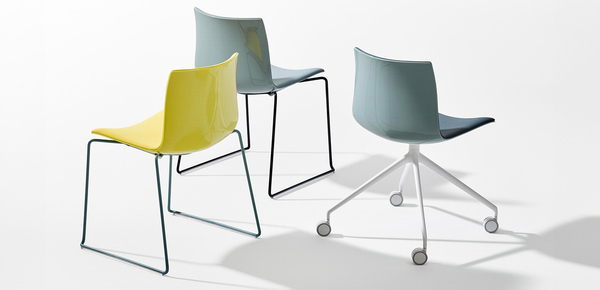
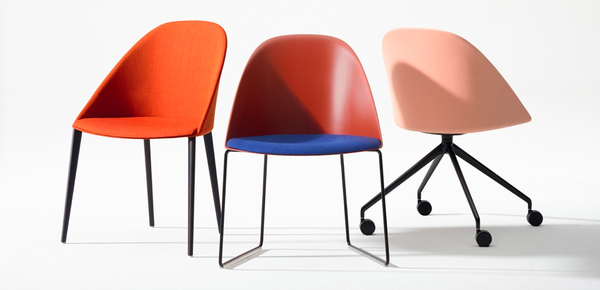
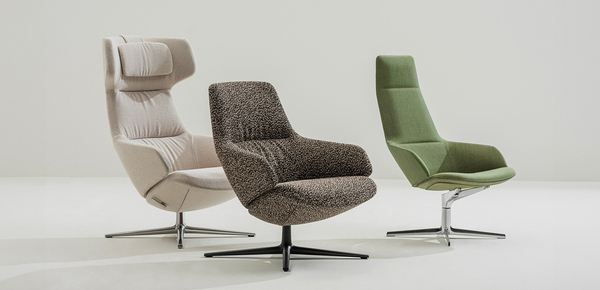
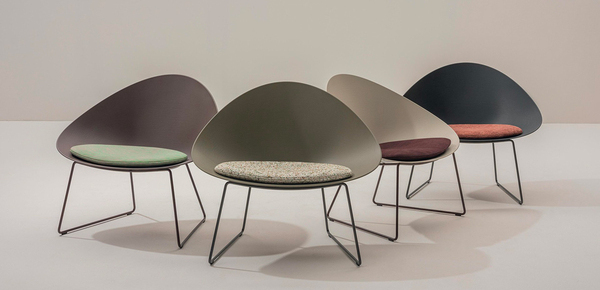
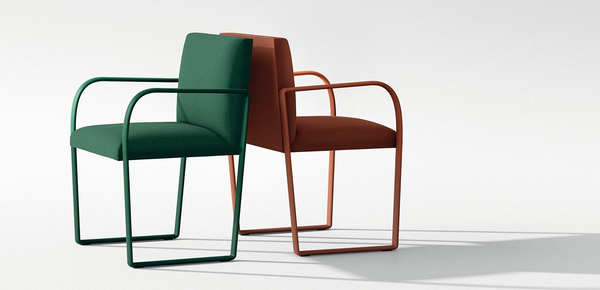
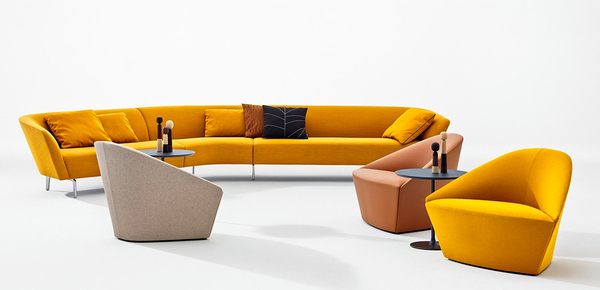
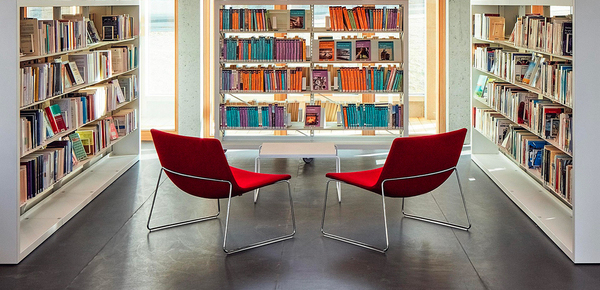
Combining Italian craftsmanship with cutting-edge aesthetics, Arper creates timeless pieces that enhance both workspaces and homes.
At La Mercanti, we proudly feature an exclusive selection of Arper’s most iconic collections, perfect for those seeking style, comfort, and flexibility in their interiors.
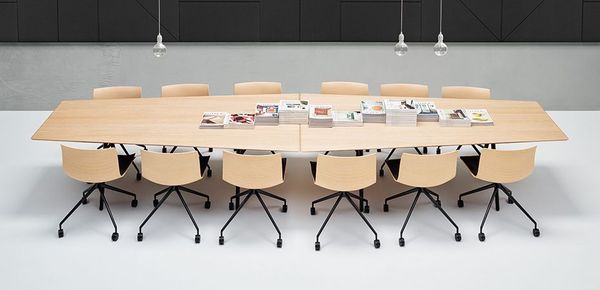
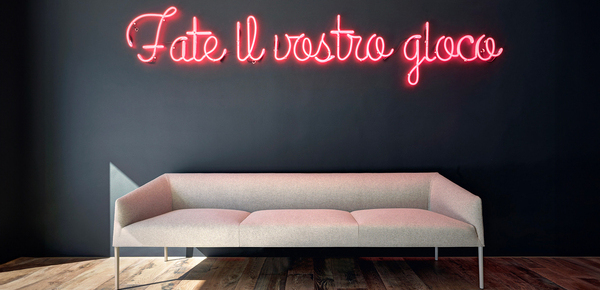
Whether you’re looking for a sophisticated chair for a meeting room, a versatile table for a shared space, or a design-forward sofa for your living area, Arper has the solution.
Why Choose Arper?
- Innovative Design: Arper redefines modern living with furniture that blends minimalism and functionality.
- Sustainability: Designed with environmental responsibility in mind, Arper’s pieces are built to last and crafted using eco-friendly processes.
- Versatility: From professional settings to private spaces, every piece adapts seamlessly to your needs.
What Makes Arper Unique?
Arper designs go beyond aesthetics, offering solutions that foster connection and creativity. Their collections include:
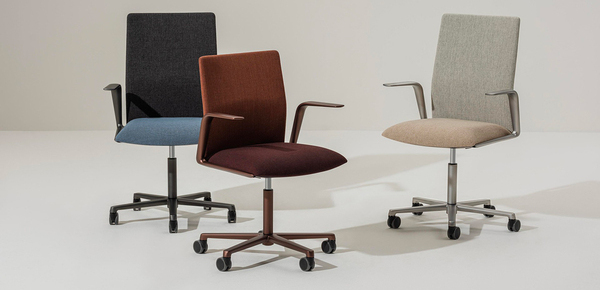
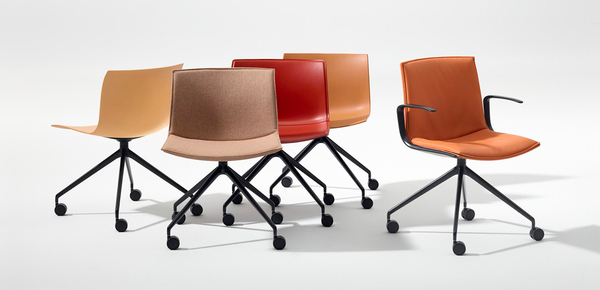
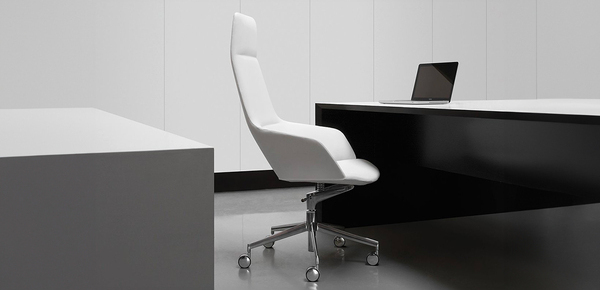
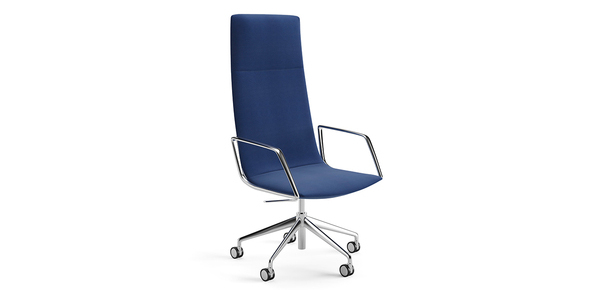
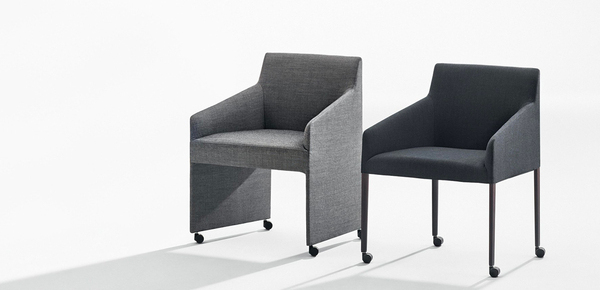
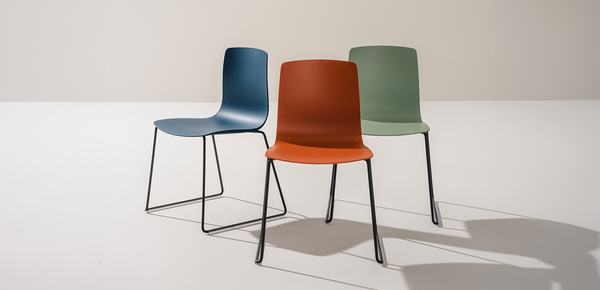
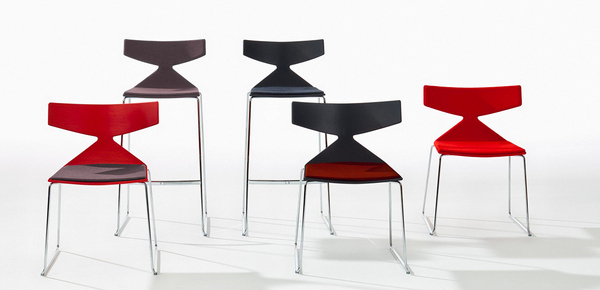
- Chairs: Ergonomic and stylish, ideal for offices and homes.
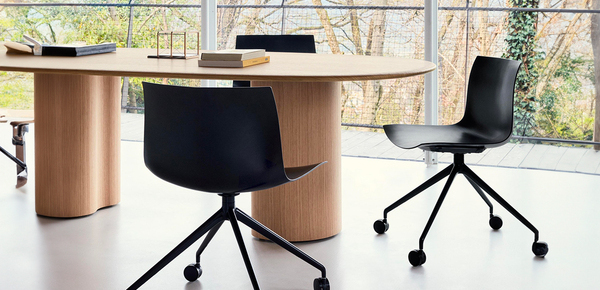
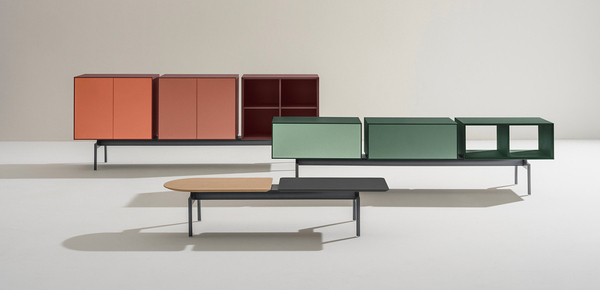
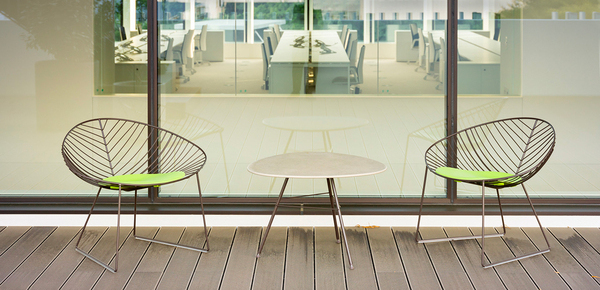
- Tables: Sleek, functional designs for work or dining.
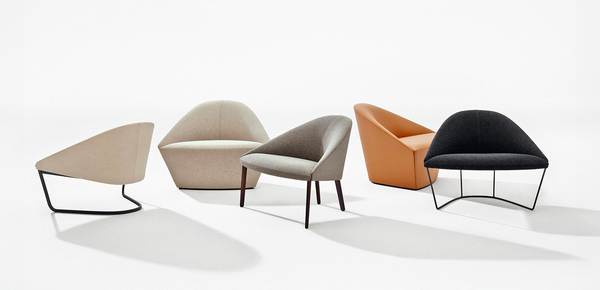
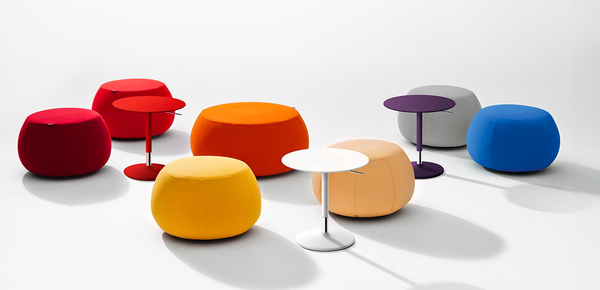
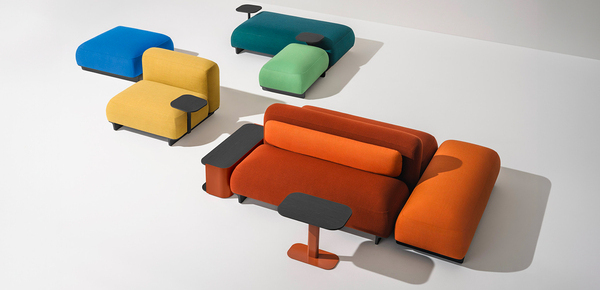
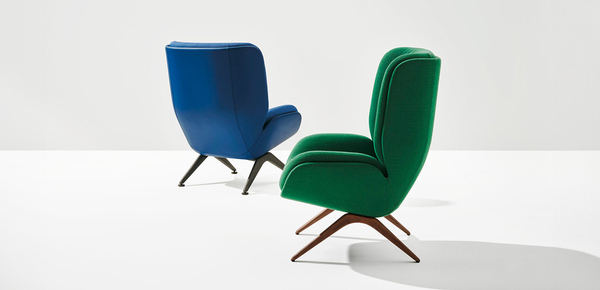
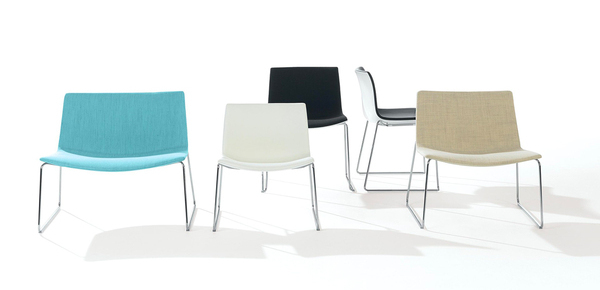
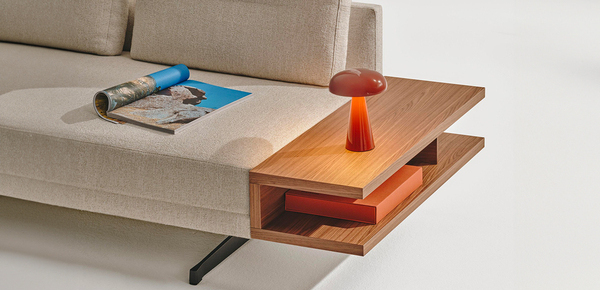
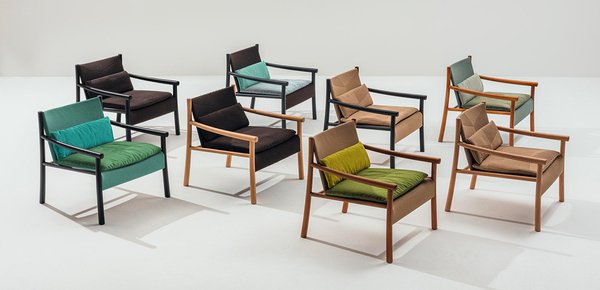
- Sofas and Lounge Seating: Perfect for relaxation and collaboration.
Shop Arper at La Mercanti
With La Mercanti, shopping for Arper’s premium products is simple and convenient.
Our online platform provides access to the latest collections, competitive pricing, and expert guidance to help you make the best choice.
Transform your space with Arper—contact us today for personalized advice or to place an order.
Frequently Asked Questions About Arper
Why is Arper's Catifa Carta causing such a stir amongst sustainability-focused architects?
What makes Arper collections irreplaceable in high-traffic contract environments where most furniture fails within 3 years?
How does Arper furniture genuinely transform waiting areas from "dead zones" into revenue-generating spaces?
Can Arper's aesthetic sophistication actually survive the chaos of hybrid working environments?
Why do architects specify Arper when Italian manufacturing faces 3-month lead times?
What stops interior designers from substituting Arper specifications with "equivalent" alternatives?
How does Arper's sustainability commitment extend beyond the trendy "green marketing" that most manufacturers abandon after the next trade show?
Practical Guides for Specifying & Working with Arper
How to Specify Arper Furniture for Multi-Phase Projects Without Budget Overruns or Timeline Failures
How to Calculate Total Cost of Ownership for Arper Furniture vs. Budget Alternatives (And Present This Data to Finance Directors)
Via Pasubio, 10
63074 San Benedetto del Tronto (AP) - ITALY
Fully Paid Share Capital € 10.200
VAT N. IT01525090443 - REA 152843 AP
